Residential real estate
Delivering expert insights on resident engagement strategies, resident perks, and the how-tos on how to help residents save.

Guides for residential real estate leaders
Residential real estate refers to properties that are used for living purposes, as opposed to commercial or industrial real estate which is used for business and industrial activities. Our content includes how-tos, guides, industry trends, and news about resident perks, rewards, and engagement.
Latest

Referral programs for multifamily: how to drive leases without more ad spend
Referral programs for multifamily communities help operators increase lease conversions without raising advertising budgets. By turning residents into advocates, properties lower cost per lease, improve trust-driven conversions, and support retention. This guide explains how to structure, measure, and scale referral programs effectively.

How gift cards and perks can replace rent discounts without hurting leasing velocity
This guide explains how gift cards and perks can replace rent discounts without hurting leasing velocity. Learn how time-based incentives create urgency, protect base rent, and preserve renewal pricing. Discover practical strategies for residential real estate property managers to maintain occupancy while avoiding long-term revenue loss from concessions.

Concessions vs. marketing rewards: a better way to drive lease conversions
In residential real estate, concessions reduce revenue without improving long-term retention. Marketing rewards offer a smarter path to lease conversions by lowering cost per lease, protecting NOI, and building loyalty. This guide compares both strategies and explains why rewards scale better for multifamily operators.

A New Lease on Loyalty: Multifamily Reward Programs
As operating costs rise and concessions lose impact, multifamily operators are shifting from reactive discounts to consistent engagement. Loyalty management platforms reward everyday resident behaviors like on-time payments and renewals, driving higher retention, protecting pricing power, reducing vacancy loss, and delivering scalable, measurable revenue growth across properties and portfolios.

How to build a rewards program to boost sales?
Modern renters expect more than a place to live—they expect convenience, recognition, and ongoing value. Rewards programs help property teams turn everyday resident actions into measurable business outcomes. By automating engagement through a loyalty management platform, properties can increase lease conversions, improve renewals, reduce vacancy loss, and build sustainable, experience-driven sales growth.

Why rent concessions quietly lower asset attractiveness
Rent concessions may boost occupancy, but they quietly lower asset attractiveness by reducing effective rent and distorting performance optics. Asset managers and owners value consistency, clarity, and defensible revenue. Understanding how concessions signal risk explains why many operators are shifting away from rent discounts to protect long-term value.

What are rent concessions in multifamily and why operators rely on them
Rent concessions are rent-based offers used to boost leasing during lease-ups, soft demand, and competitive periods. While they deliver quick results, they lower effective rent and reset expectations. Understanding why operators rely on concessions explains why replacing them with smarter incentives is essential for long-term performance.
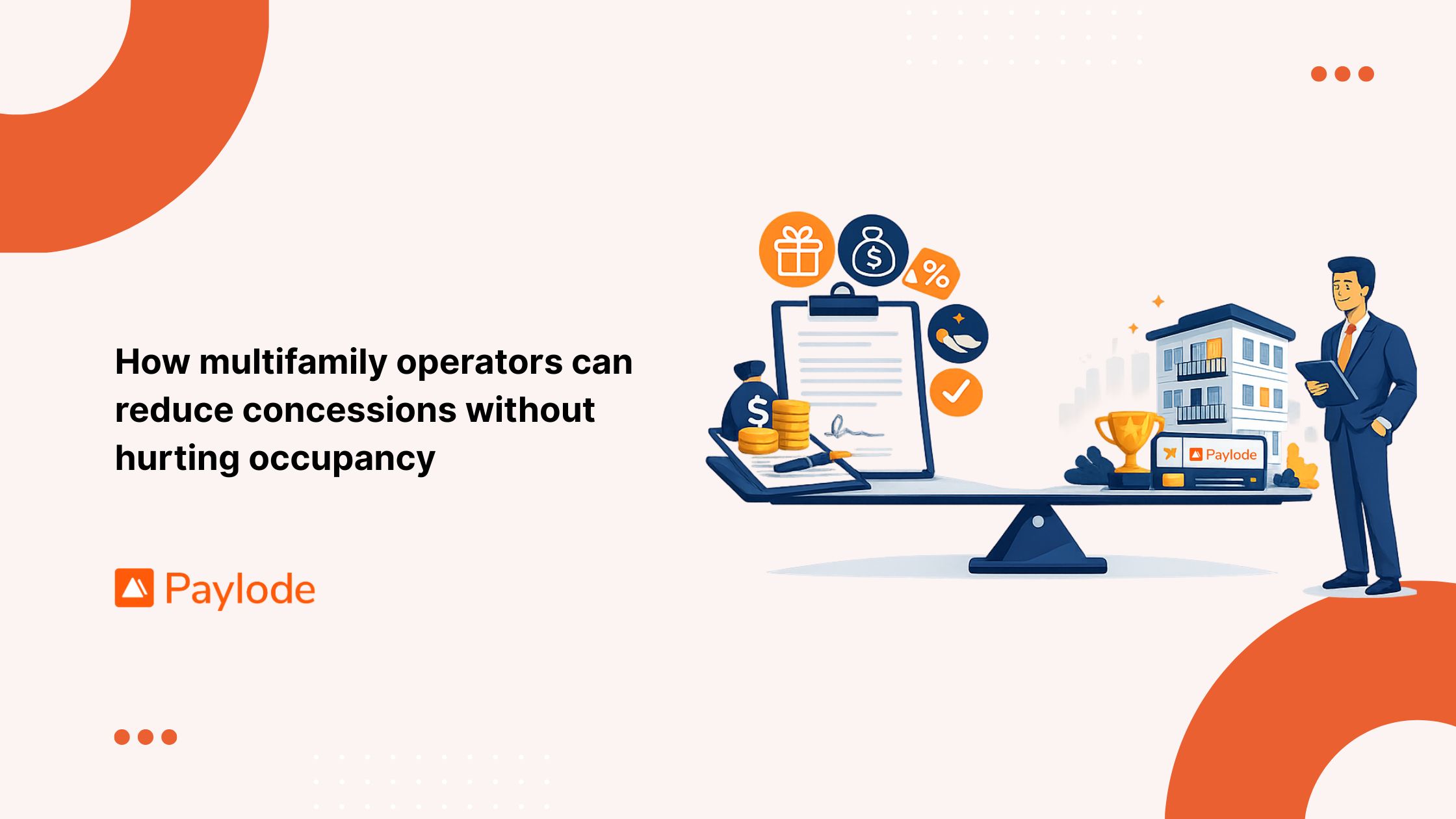
How multifamily operators can reduce concessions without hurting occupancy
Multifamily operators can reduce apartment concessions without risking occupancy by replacing rent discounts with targeted incentives. Marketing-budget rewards protect effective rent, improve conversions, support renewals, and align leasing, marketing, and asset teams while preserving long-term asset value and cleaner revenue reporting.
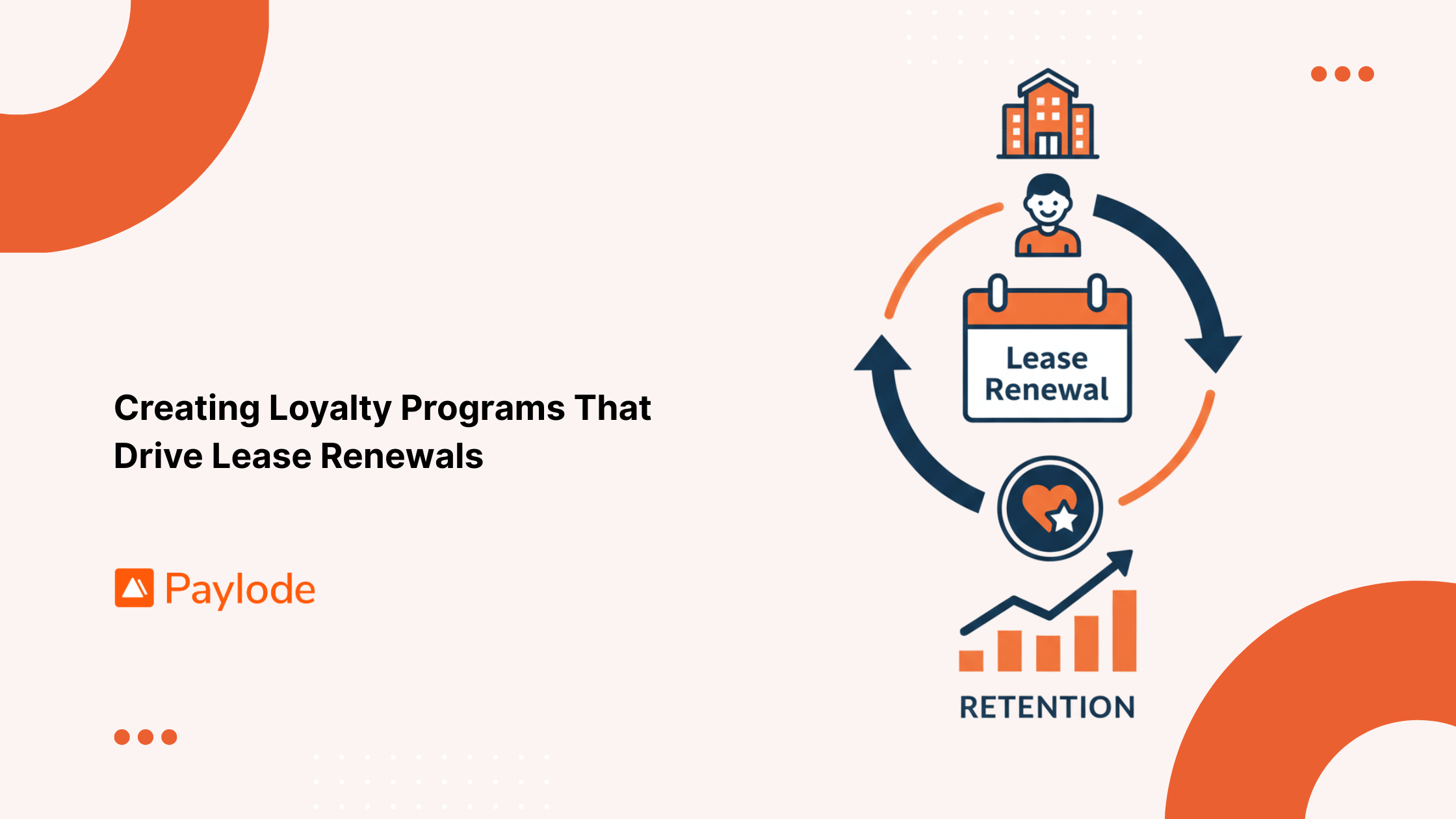
Creating Loyalty Programs That Drive Lease Renewals
Learn how loyalty programs and a loyalty management platform help property managers increase lease renewals, reduce churn, and boost retention.
Types of residential real estate categories include:
- Single-family homes: Stand-alone houses meant for one family or group of people.
- Apartments: Housing units in a larger building, typically owned by a single entity and rented out to individuals or families.
- Condominiums: Similar to apartments, but the units are owned individually rather than rented from a single landlord.
- Townhouses: Multi-floor homes that share one or two walls with adjacent properties but have their own entrances.
- Duplexes, Triplexes, and Quadruplexes: Buildings divided into two, three, or four units, respectively, with each unit typically having its own entrance.
- Multifamily homes: Larger buildings that house multiple families, often more than four.
- Vacation homes: Properties used for leisure and vacation purposes.
The main focus in residential real estate is providing living spaces, whether through ownership or rental. It's a significant sector in the real estate market and has a direct impact on the economy and consumers due to its essential role in providing housing.
According to the National Association of Homebuilders using US Bureau of Economic Analysis data, RRE's combined contribution to the economy usually makes up 15-18% of US GDP annually, and occurs in two basic ways:
- Residential investment (around 3-5% of GDP), means construction of new single-family and multifamily buildings, residential remodeling, manufactured home fabrication, and real estate brokers’ fees.
- Consumption spending on housing services (around 12-13% of GDP), includes gross rents and utilities paid by renters, as well as owners’ imputed rents and utility payments.
We're featuring expert insights from people in the industry. Reach out to our editorial team if you'd like to be featured.