Residential real estate
Delivering expert insights on resident engagement strategies, resident perks, and the how-tos on how to help residents save.

Guides for residential real estate leaders
Residential real estate refers to properties that are used for living purposes, as opposed to commercial or industrial real estate which is used for business and industrial activities. Our content includes how-tos, guides, industry trends, and news about resident perks, rewards, and engagement.
Latest
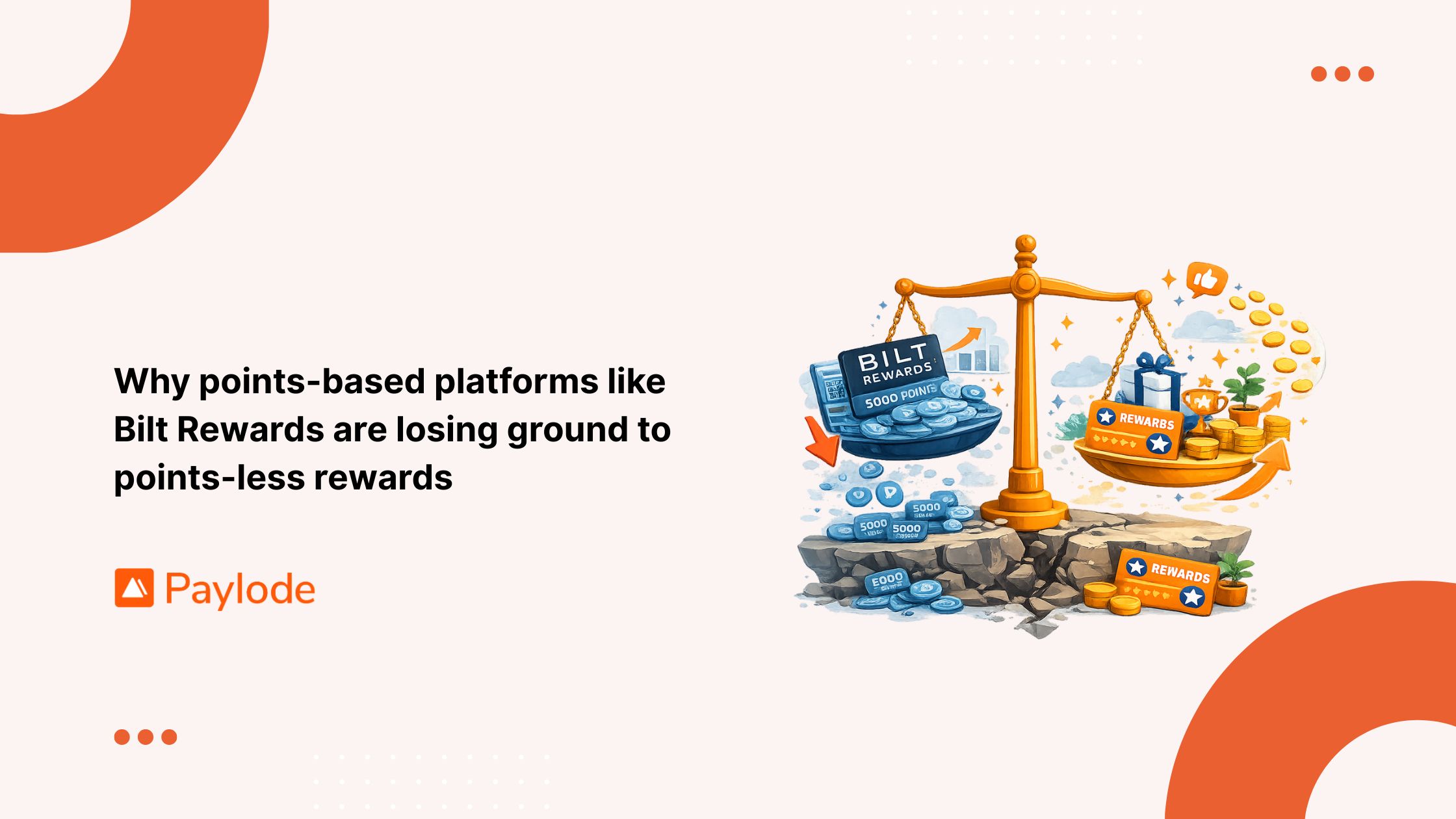
Why points-based platforms like Bilt Rewards are losing ground to points-less rewards
Points-based rewards once dominated rent incentive programs, but their complexity and delayed value are reducing long-term impact. This article explains why platforms like Bilt Rewards are losing ground to points-less rewards that are simpler, automated, and behavior-driven. Discover how immediate incentives improve participation, reduce operational effort, and align better with modern multifamily operations focused on efficiency, scalability, and measurable outcomes.

Top Rent Dynamics alternatives for modern multifamily portfolios
As multifamily portfolios grow, many operators are reassessing engagement-first loyalty platforms like Rent Dynamics. This article explores the top Rent Dynamics alternatives, with a detailed comparison of Paylode vs Rent Dynamics. Learn how modern, behavior-based resident rewards reduce staff workload, improve scalability, and deliver clearer operational outcomes. Ideal for U.S. multifamily operators seeking automation, predictability, and long-term resident retention.

Rent Dynamics vs Paylode: A smarter approach to resident rewards in multifamily
Resident rewards programs can improve retention, but not all platforms scale efficiently. This article compares Rent Dynamics and Paylode to help multifamily operators understand how points-based rewards differ from automated, points-less incentives. Learn how each platform impacts staff workload, resident experience, cost predictability, and long-term sustainability, and discover which approach better supports modern multifamily portfolios.

Which Rent Reward Programs Offer the Best Benefits in 2026?
Rent rewards programs are becoming essential in 2026. This article compares rental rewards programs and popular rent payment rewards services, helping operators understand which options deliver the best renter value, improve on-time payments, reduce churn, and remain operationally efficient.

How Paylode helps operators reward behavior without increasing overhead
Rewarding resident behavior often adds operational complexity. This article explains how Paylode helps operators reward key resident actions through automation and embedded workflows, reducing staff workload, controlling costs, and enabling scalable engagement across multifamily portfolios.

How resident rewards reduce churn in multifamily portfolios
Resident churn is a major challenge for multifamily portfolios. This article explains how resident rewards reduce churn by improving engagement, reinforcing positive behaviors, and supporting renewals, helping property managers lower turnover costs and build long-term retention strategies.

The real cost of managing a loyalty program in property management
Loyalty programs often cost more than expected in property management. This article breaks down loyalty program operational costs, including staff time, software, hidden admin work, and scalability challenges, helping property managers evaluate programs based on total cost and long-term impact on NOI.

Rewards vs rent concessions: which delivers better NOI?
Choosing between rewards and rent concessions has a direct impact on NOI. Rent concessions reduce income and reset pricing expectations, while rewards add resident value without lowering rent. This article explains how rewards vs rent concessions deliver better NOI by supporting retention, stabilizing revenue, and scaling across portfolios. Property operators can use rewards to improve satisfaction and engagement while protecting long-term financial performance.

How merchant-funded rewards protect NOI for property operators
Merchant-funded rewards help property operators protect NOI while still delivering meaningful value to residents. Unlike rent discounts or operator-funded incentives, these rewards are paid for by merchants, not properties. This approach supports engagement, renewals, and positive resident behavior without increasing expenses or reducing revenue. By aligning resident experience with financial discipline, merchant-funded rewards offer a scalable, long-term strategy for residential real estate portfolios.
Types of residential real estate categories include:
- Single-family homes: Stand-alone houses meant for one family or group of people.
- Apartments: Housing units in a larger building, typically owned by a single entity and rented out to individuals or families.
- Condominiums: Similar to apartments, but the units are owned individually rather than rented from a single landlord.
- Townhouses: Multi-floor homes that share one or two walls with adjacent properties but have their own entrances.
- Duplexes, Triplexes, and Quadruplexes: Buildings divided into two, three, or four units, respectively, with each unit typically having its own entrance.
- Multifamily homes: Larger buildings that house multiple families, often more than four.
- Vacation homes: Properties used for leisure and vacation purposes.
The main focus in residential real estate is providing living spaces, whether through ownership or rental. It's a significant sector in the real estate market and has a direct impact on the economy and consumers due to its essential role in providing housing.
According to the National Association of Homebuilders using US Bureau of Economic Analysis data, RRE's combined contribution to the economy usually makes up 15-18% of US GDP annually, and occurs in two basic ways:
- Residential investment (around 3-5% of GDP), means construction of new single-family and multifamily buildings, residential remodeling, manufactured home fabrication, and real estate brokers’ fees.
- Consumption spending on housing services (around 12-13% of GDP), includes gross rents and utilities paid by renters, as well as owners’ imputed rents and utility payments.
We're featuring expert insights from people in the industry. Reach out to our editorial team if you'd like to be featured.