Property managers are constantly balancing resident expectations, operational efficiency, and budget considerations. Residents today expect more than a place to live. They want convenience, value, and experiences that improve their daily lives. At the same time, property teams are often working with lean staffing models and limited resources, making it difficult to introduce new resident programs.
This challenge has led many operators to search for solutions that are simple to launch and easy to maintain. One area receiving increased attention is resident perks. These programs can provide residents with access to savings, discounts, and exclusive offers while helping properties strengthen engagement and retention.
The good news is that launching a perks program no longer requires complex technology projects or extensive development work. Modern platforms have made zero lift perks activation possible, allowing operators to deliver meaningful resident value without coding, vendor management, or ongoing administrative burden.
This guide explains the setup steps that allow property operators to activate resident perks quickly and efficiently while creating a better resident experience.
Why are property managers looking for zero lift perks activation?
Resident expectations have evolved significantly over the past decade. Renters increasingly compare communities based not only on location and amenities but also on the overall value they receive throughout their residency.
Many operators understand the benefits of resident engagement programs, but traditional approaches often create barriers. Building relationships with individual brands, negotiating offers, managing promotions, and maintaining resident access can quickly become overwhelming for already busy teams.
As a result, property managers are looking for solutions that deliver immediate value without creating additional work. This is where zero lift perks activation becomes attractive.
Instead of spending months coordinating vendors and technical resources, operators can launch a resident-focused experience through an established platform that is already designed to support engagement and retention goals.
For organizations operating within the broader Real Estate industry, speed and simplicity are becoming important competitive advantages. The ability to deliver resident value without creating operational complexity can help properties stand out while allowing teams to focus on their core responsibilities.
What does zero lift perks activation actually mean?
The term "zero lift perks activation" refers to implementing a resident perks experience with minimal effort from the property team.
Rather than building a program from scratch, operators gain access to a pre-established system that includes resident access tools, curated offers, and management capabilities. Most of the work has already been completed behind the scenes, allowing properties to launch quickly.
The concept centers on removing common barriers that often delay implementation. These barriers can include technical development, vendor sourcing, contract negotiations, manual updates, and ongoing administration.
With a modern approach, property managers can focus on introducing value to residents rather than managing the mechanics of the program.
This simplicity is particularly valuable for organizations operating across multiple communities. Standardized implementation processes allow teams to create a consistent resident experience without requiring separate setup projects for every property.
What information should operators prepare before activating perks?
Although the process is designed to be simple, a successful launch still begins with gathering a few important pieces of information.
Property teams should first consider their resident audience. Different communities may have different resident demographics, lifestyles, and priorities. Understanding these preferences helps ensure that residents are introduced to relevant opportunities that align with their needs.
Operators should also identify the communication channels they currently use. Existing email systems, resident portals, newsletters, and community websites can often serve as effective ways to introduce and promote perks.
Branding assets are another helpful component. Property logos, community names, and basic brand guidelines help create a consistent resident experience during implementation.
Fortunately, most of these resources already exist within the organization. There is usually no need to create entirely new systems or processes.
This preparation stage is intentionally lightweight because the goal of zero lift perks activation is to eliminate unnecessary work while accelerating implementation.
How do operators configure a perks experience without coding?
One of the most appealing aspects of modern perks platforms is that coding expertise is not required.
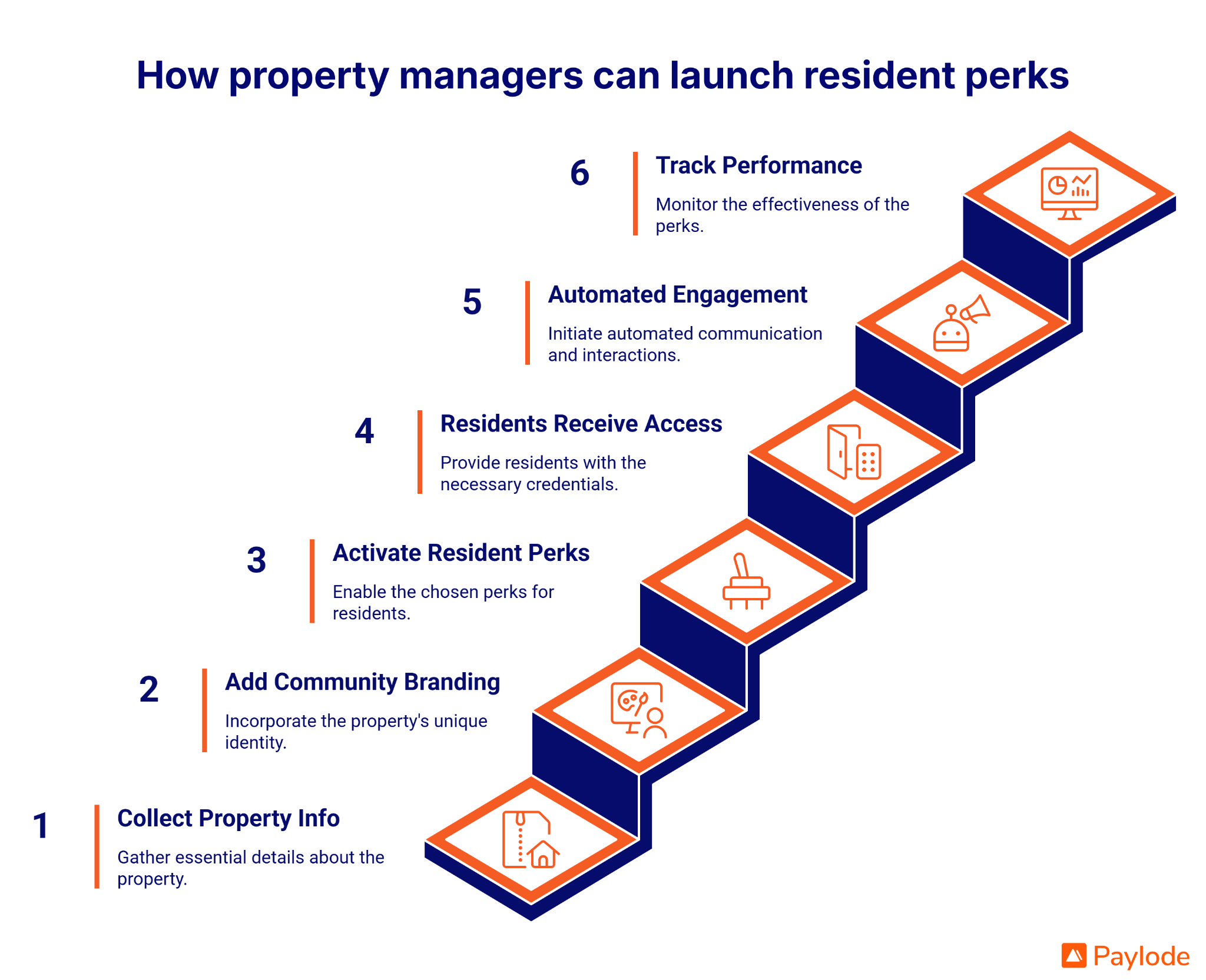
Implementation typically begins with account setup and property configuration. During this phase, operators provide basic information about their communities and establish how residents will access the experience.
Rather than involving software developers or internal IT teams, configuration is usually handled through guided onboarding processes. These workflows are designed specifically for business users and property operators.
This streamlined approach helps eliminate technical bottlenecks that often delay new initiatives.
Many operators also appreciate the ability to align perks experiences with their existing resident programs. Communities that already offer engagement initiatives can integrate perks into those efforts without significant disruption.
A centralized solution such as a Resident Perks program can simplify administration while providing residents with a single destination for discovering ongoing value.
The result is a faster path from planning to launch, allowing operators to focus on resident communication and engagement rather than technical implementation.
How are resident perks selected and activated?
One of the biggest misconceptions about resident perks programs is that operators must build relationships with every participating brand.
Historically, this may have been true. Property teams often spent significant time identifying vendors, negotiating agreements, and maintaining partnerships.
Today, curated marketplaces have changed that process dramatically.
Instead of sourcing offers independently, operators can access established collections of resident-focused opportunities. These may include savings across retail, entertainment, travel, wellness, home services, and other categories that residents frequently use.
This approach creates value for both residents and property teams.
Residents gain access to a broad range of offers without needing to search for opportunities themselves. Operators gain the ability to provide meaningful benefits without taking on additional management responsibilities.
Curated offer libraries also support consistency. Rather than relying on a handful of local partnerships, residents receive access to an evolving selection of opportunities that can remain relevant throughout their residency.
For property managers, this is one of the most important elements of zero lift perks activation because it removes one of the most time-consuming aspects of traditional program management.
How do operators provide residents with access to perks?
After configuration is complete and offers are activated, the next step is resident access.
The most successful programs make access as simple as possible. Residents should be able to discover available offers without navigating complicated systems or completing lengthy enrollment processes.
Many communities choose to introduce perks through dedicated resident portals, community websites, or branded experiences designed specifically for resident engagement.
Solutions such as Perk Centers can help centralize access, making it easier for residents to browse available offers and return regularly to discover new opportunities.
Ease of access is essential because even valuable programs can struggle if residents encounter friction during the discovery process.
When residents can quickly find and use available offers, engagement rates often improve. This increased participation helps maximize the value of the program for both residents and operators.
More importantly, simple access supports long-term usage, ensuring that resident value continues beyond the initial launch period.
Why does automation make zero lift perks activation sustainable?
Launching a resident perks experience is only part of the process. Long-term success depends on keeping the experience active, relevant, and visible without creating additional work for property teams.
Many operators hesitate to introduce new resident initiatives because they worry about future management requirements. They assume someone will need to continuously update offers, maintain partnerships, or manually communicate with residents.
Modern perks platforms remove much of this burden through automation.
Offer updates can be managed behind the scenes, allowing residents to continue discovering new opportunities without requiring intervention from property staff. New residents can be introduced to the program through existing onboarding processes, while ongoing reminders can help maintain awareness throughout the resident journey.
This automated approach aligns particularly well with operators in the Residential Real Estate sector who are focused on improving resident experiences while maintaining operational efficiency.
By reducing manual tasks, property teams can continue delivering resident value without increasing workload. This is one of the primary reasons why zero lift perks activation is becoming an increasingly attractive strategy for multifamily communities.
How can operators measure the success of a perks program?
Every resident initiative should support measurable business objectives. While resident satisfaction is important, property managers also need visibility into participation and engagement.
The first indicator of success is often resident adoption. If residents are actively accessing offers and exploring available savings opportunities, it demonstrates that the program is providing meaningful value.
Engagement metrics can help operators understand how residents interact with the platform over time. These insights can reveal which categories generate the most interest and where future communication efforts should focus.
More importantly, resident engagement often contributes to broader business goals. Communities that consistently deliver value throughout the resident lifecycle may strengthen relationships and support retention efforts.
Many operators view perks as part of a larger resident engagement strategy designed to improve satisfaction while supporting initiatives such as Increase Retention.
The most effective reporting systems provide clear visibility without requiring extensive analysis. Property managers should be able to quickly understand participation trends and evaluate overall program performance.
What mistakes should operators avoid during zero lift perks activation?
Although implementation is designed to be straightforward, there are several common mistakes that can reduce program effectiveness.
One of the most common issues is overcomplicating the launch process. Some teams spend excessive time developing communication plans, reviewing every available offer, or attempting to customize every aspect of the experience before introducing it to residents.
In many cases, this delays value delivery without creating meaningful benefits.
Another mistake is insufficient resident communication. Even the most valuable perks experience cannot generate engagement if residents are unaware it exists. Consistent visibility remains important, especially during the first few months following launch.
Operators should also avoid treating perks as a one-time announcement. Residents move into communities throughout the year, making ongoing awareness efforts essential.
Communities that already use digital engagement initiatives such as Switch to Paperless often have established communication channels that can help introduce perks more effectively.
The goal should always be simplicity. The easier it is for residents to discover and access value, the more likely they are to participate.
How does zero lift perks activation support long-term resident experience goals?
Resident expectations continue to evolve. Today's renters evaluate communities based on the total experience they receive, not simply the physical apartment itself.
This shift has encouraged operators to explore new ways of creating value beyond traditional amenities.
Resident perks can play an important role in this strategy because they provide ongoing benefits throughout the lease term. Unlike one-time promotions, perks create opportunities for continuous engagement.
Residents may discover savings opportunities that support everyday spending, lifestyle activities, travel plans, or household needs. These recurring benefits can contribute to stronger perceptions of value over time.
For operators, this creates an opportunity to differentiate communities without major capital investments. Rather than relying solely on physical upgrades, properties can enhance the resident experience through meaningful ongoing benefits.
Many organizations incorporate perks into broader engagement initiatives that may also include programs such as Automatic Payments, helping create a more convenient and resident-friendly experience across multiple touchpoints.
The ability to deliver ongoing value with minimal administrative effort makes zero lift perks activation a practical long-term strategy rather than simply a short-term engagement tactic.
What role do perks play in resident retention and property performance?
Resident retention remains one of the most important priorities for property operators.
The cost of resident turnover often exceeds the cost of maintaining existing relationships. As a result, operators continuously evaluate strategies that encourage satisfaction and support lease renewals.
While perks alone do not determine retention outcomes, they can contribute to a broader value proposition. When residents consistently receive benefits that improve their daily lives, they may feel a stronger connection to the community.
Programs that provide ongoing value can also help support initiatives focused on Raise Customer LTV, creating opportunities to strengthen resident relationships throughout the customer lifecycle.
This is particularly important in competitive markets where residents have multiple housing options. Communities that offer meaningful resident benefits may be better positioned to stand out during renewal conversations.
The ability to launch and maintain these experiences without creating operational complexity is what makes zero lift perks activation especially appealing for modern property operators.
How zero lift perks activation works
Frequently asked questions
What is zero lift perks activation?
Zero lift perks activation is a simplified approach that allows property operators to launch resident perks without coding, vendor management, or complex implementation projects.
Can property managers activate perks without IT involvement?
In many cases, yes. Modern platforms are designed to support business users through guided onboarding and simple configuration processes.
How long does it take to launch a resident perks experience?
Implementation timelines vary by provider, but turnkey solutions are generally much faster than building a program internally.
What types of resident perks are commonly offered?
Popular categories often include retail savings, travel offers, wellness benefits, entertainment discounts, and home-related services.
How do resident perks support retention?
Perks provide ongoing value throughout the resident journey, which can contribute to satisfaction and strengthen resident relationships over time.
Do property managers need to maintain offers after launch?
Most modern platforms handle offer updates and marketplace management, reducing administrative responsibilities for property teams.
Conclusion: Why is now the right time to adopt zero lift perks activation?
Property managers are under increasing pressure to deliver exceptional resident experiences while maintaining operational efficiency. Traditional resident engagement programs often require significant resources, making them difficult to scale.
Zero lift perks activation changes that equation. By removing technical barriers, simplifying implementation, and reducing ongoing management requirements, operators can introduce meaningful resident value faster than ever before.
For communities looking to modernize their resident experience strategy, solutions such as Platform, Perks, and Boost can help create scalable engagement opportunities that support both resident satisfaction and business objectives.
Whether the goal is improving engagement, supporting retention, or enhancing overall community value, a streamlined perks experience provides a practical path forward.
Explore available Plans or Book a Demo to see how a modern perks solution can help your communities deliver more value with less effort.