Resident expectations have changed faster than many multifamily operators expected.
A few years ago, strong amenities and a good location were often enough to stand out. Today, renters compare communities through a much wider lens. They look at convenience, digital experience, ongoing value, and how connected the property feels to their daily lifestyle.
That shift is one reason the idea of a resident perks marketplace is gaining traction across residential real estate.
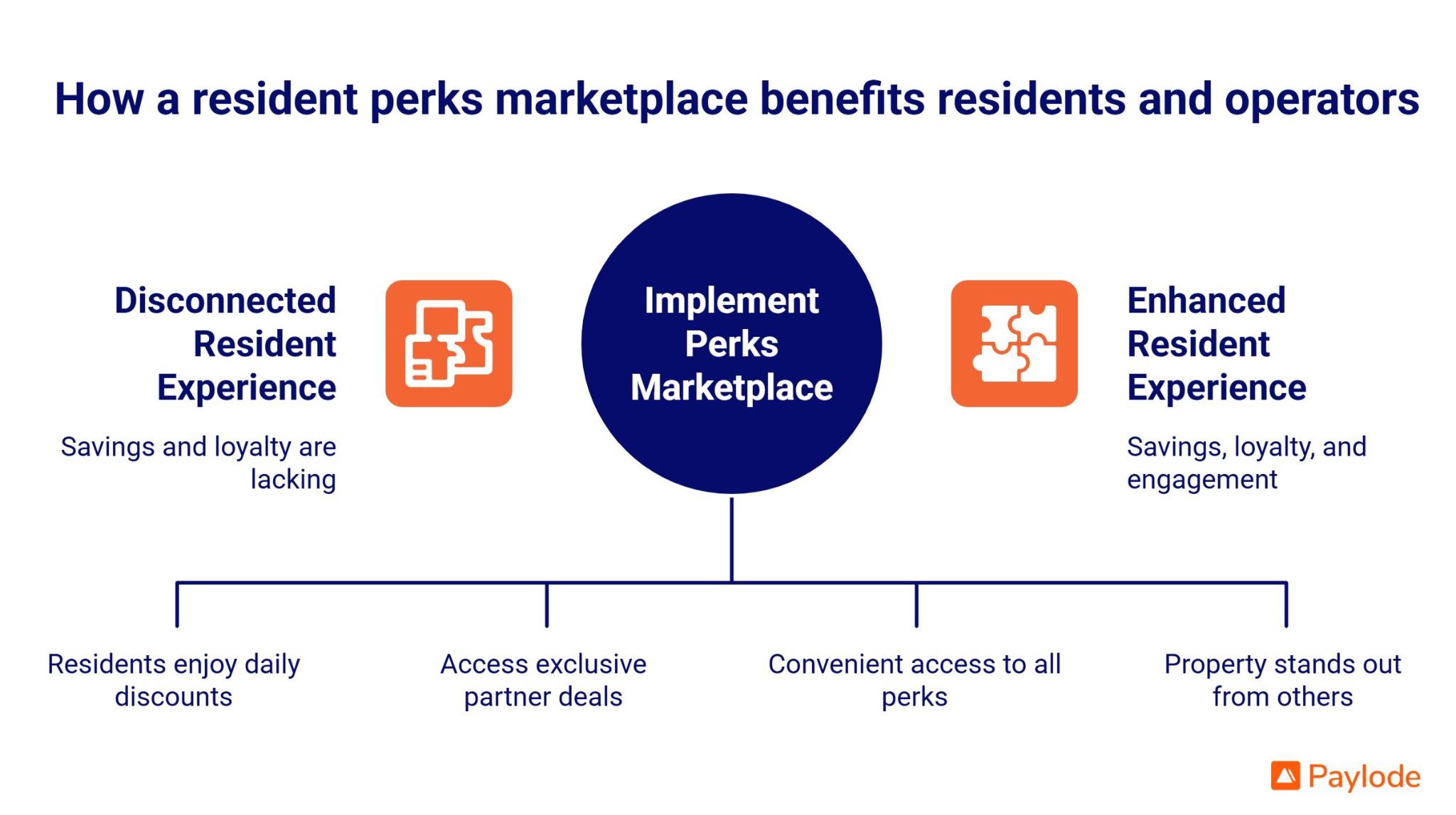
Instead of offering scattered discounts or one-time promotions, operators can now create a centralized marketplace where residents can access savings and offers from trusted consumer brands within a single connected experience. Residents no longer need to search across different emails, vendor sites, or local promotions. Everything lives inside one resident-facing environment.
For property managers, this creates something equally important: continuous engagement.
A resident who regularly interacts with useful perks stays connected to the property experience throughout the lease term, not only during move-in or renewal periods. Communities are increasingly using platforms like resident perks solutions to create that ongoing value without adding operational complexity for onsite teams.
The biggest advantage is practicality.
Residents respond more consistently to benefits tied to everyday spending than large but temporary incentives. Streaming subscriptions, grocery delivery savings, internet discounts, wellness offers, pet services, and local dining perks feel useful because residents already spend money in those categories.
That everyday relevance is what makes the model work.
A resident perks marketplace also helps residential brands strengthen differentiation in crowded markets where many communities already offer similar physical amenities. When the resident experience continues beyond the apartment itself, the property feels more modern, connected, and service-oriented.
For operators focused on retention, resident satisfaction, and long-term engagement, centralized perks marketplaces are becoming less of an add-on and more of a resident experience strategy.
What is a resident perks marketplace in residential real estate?
How does a resident perks marketplace work?
A resident perks marketplace is a centralized digital hub where residents can access curated offers from consumer brands, local businesses, and service providers through one connected experience.
Instead of sending residents individual promotions throughout the year, operators organize benefits inside a single marketplace tied to the property or portfolio. Residents can browse offers, redeem savings, and explore benefits through resident apps, online portals, or integrated communication platforms.
The experience matters just as much as the offers themselves.
Residents do not want another complicated system to manage. The strongest marketplaces feel simple and familiar. Residents log in once and immediately see offers relevant to everyday living — dining, entertainment, wellness, internet services, moving support, household products, travel, and more.
For operators, the marketplace creates consistency.
Rather than running isolated engagement campaigns every few months, communities maintain an always-available resident value platform that continues working throughout the lease lifecycle. That ongoing accessibility helps keep residents connected to the property experience in a more natural way.
The model also scales well across portfolios.
A regional operator with multiple properties can maintain a unified resident experience while still customizing certain offers based on local market preferences. Urban communities may prioritize transportation, food delivery, and coworking perks, while suburban properties may see stronger engagement around family services, wellness, or entertainment.
The flexibility is one reason more residential brands are exploring centralized perks ecosystems instead of one-off promotional campaigns.
Why are residential brands building perks marketplaces?
Resident acquisition costs continue rising across multifamily housing. At the same time, renters have more choices and higher expectations around experience.
That combination is pushing operators to think differently about long-term resident value.
Traditional concessions still help drive leasing activity, but they rarely create meaningful engagement after move-in. A resident perks marketplace changes that dynamic because the value continues throughout the lease term instead of disappearing after the initial transaction.
Residents also increasingly expect personalization from the brands they interact with daily. Retail, hospitality, banking, and streaming services have trained consumers to expect tailored experiences, recommendations, and rewards. Housing providers are beginning to follow the same direction.
A centralized perks marketplace helps residential brands deliver that experience more consistently.
It also creates softer, more positive communication opportunities between operators and residents. Instead of every interaction revolving around rent, maintenance, or operational notices, communities can regularly provide benefits residents genuinely appreciate.
This affects perception more than many operators realize.
Properties that consistently deliver useful lifestyle value often feel more resident-focused even when competing against communities with similar pricing and amenities. That emotional difference can influence renewals, referrals, and resident satisfaction over time.
Another major reason operators are investing in perks marketplaces is retention pressure.
Replacing residents is expensive. Vacancy exposure, turnover preparation, marketing costs, concessions, and operational downtime all affect profitability. Ongoing engagement strategies tied to resident retention programs help operators maintain stronger resident relationships throughout the lease cycle instead of relying only on last-minute renewal campaigns.
What types of brands fit inside a resident perks marketplace?
The most effective resident perks marketplaces focus on usefulness, not volume.
Residents are far more likely to engage with brands connected to everyday routines than random promotional offers that feel disconnected from real life. That is why practical consumer categories consistently outperform novelty-based perks.
Food delivery and grocery savings tend to perform well because residents already use those services frequently. Streaming and entertainment offers also generate strong engagement because they fit naturally into monthly spending habits.
Internet and wireless partnerships are especially valuable during onboarding periods when residents are setting up their homes. Furniture, moving, and home essentials brands also see strong engagement during move-in windows because they solve immediate resident needs.
Fitness and wellness categories have become increasingly important, too.
Residents now place more value on convenience-oriented wellness experiences, whether through gym memberships, wellness apps, recovery services, or lifestyle-focused subscriptions. Pet-related brands are another strong category, especially in multifamily communities with high pet ownership rates.
Local businesses still play a major role alongside national brands.
A resident may appreciate a national streaming discount, but they also value offers tied to nearby restaurants, coffee shops, fitness studios, or neighborhood experiences. Those local connections help residents feel more integrated into the surrounding community.
The strongest resident perks marketplace strategies balance both sides carefully: trusted national consumer brands combined with relevant local partnerships that make the resident experience feel more connected and personalized.
How does a resident perks marketplace improve resident experience?
Why do renters value ongoing lifestyle savings?
Most renters are managing recurring monthly expenses far beyond rent alone.
Streaming subscriptions, food delivery, transportation, groceries, internet services, fitness memberships, pet care, and entertainment all add up quickly. Residents naturally notice when a property helps reduce some of those everyday costs.
That is one reason ongoing perks create stronger long-term engagement than temporary promotions.
A one-time concession may influence the leasing decision initially, but recurring savings continue shaping the resident experience month after month. The value feels practical because residents interact with it during normal routines instead of isolated marketing moments.
This creates a different type of emotional connection to the property.
Residents begin associating the community with convenience, savings, and useful experiences instead of only transactional housing services. Over time, those repeated interactions strengthen overall resident perception in subtle but important ways.
Smaller recurring benefits also tend to feel more sustainable and believable than aggressive leasing incentives. Residents increasingly understand that large concessions are temporary marketing tools. Useful ongoing perks feel more integrated into everyday living.
That distinction matters when operators are trying to improve retention and resident satisfaction over longer lease cycles.
How can one centralized marketplace simplify the resident experience?
One overlooked issue with many resident engagement programs is fragmentation.
Residents receive separate emails from different vendors, occasional community promotions, event announcements, and isolated discount campaigns that quickly become difficult to track. Most people stop paying attention when the experience feels scattered.
A centralized resident perks marketplace simplifies that completely.
Instead of searching through disconnected promotions, residents access everything from one place. That simplicity increases participation because the experience feels organized rather than promotional.
Convenience plays a major role here.
Residents already manage most aspects of modern life digitally. They expect housing-related experiences to follow the same pattern. When perks live inside existing resident platforms, apps, or portals, engagement feels far more natural.
The marketplace also creates continuity throughout the resident lifecycle.
A resident who initially logs in for move-in offers may later return for dining discounts, renewal-related benefits, or local experiences. The platform stays relevant because the offers evolve alongside resident needs.
This consistency helps keep residents connected to the broader digital ecosystem surrounding the property. Communities that maintain regular resident engagement through useful experiences often see stronger participation across communication channels overall.
How does a resident perks marketplace support the full lease lifecycle?
Resident engagement should not peak only during leasing season.
One of the biggest advantages of a resident perks marketplace is that it creates opportunities for value throughout every stage of residency.
During move-in, residents are actively spending on internet setup, furniture, moving services, storage, and household essentials. Relevant offers during this period feel immediately valuable because they solve practical short-term problems.
A few months later, resident priorities shift.
Daily lifestyle perks, food delivery discounts, wellness offers, streaming benefits, and neighborhood partnerships become more relevant once routines stabilize. These recurring touchpoints help maintain engagement long after the onboarding phase ends.
Renewal periods create another important opportunity.
Residents evaluating whether to stay often compare overall lifestyle experience, not just rent pricing. Exclusive loyalty perks or renewal-related resident benefits can reinforce the value of remaining within the community without making the communication feel overly sales-driven.
Some operators are also connecting perks marketplaces to broader digital engagement strategies tied to communication workflows and services like resident payment and engagement automation to create a more connected resident experience overall.
The result is a resident relationship that feels active throughout the lease cycle instead of becoming operational and transactional after move-in.
Why are top consumer brands valuable inside a resident perks marketplace?
How do recognizable brands increase resident engagement?
Residents engage faster when they already trust the brands inside the marketplace.
That familiarity removes hesitation. A renter is naturally more likely to click on an offer from a streaming platform, grocery service, or wellness brand they already use than an unfamiliar company they have never heard of. Recognition creates instant credibility.
For operators, this matters because engagement is what keeps the marketplace valuable over time.
A resident perks marketplace only works when residents return regularly. Well-known consumer brands help create those repeat interactions because the offers feel practical and immediately understandable. Residents do not need extra explanation to understand the value of discounted internet service, food delivery savings, or entertainment subscriptions.
Recognizable brands also improve perceived property value.
When residents see high-quality consumer partnerships connected to the community experience, the property itself feels more modern and resident-focused. Even relatively simple benefits can influence perception when the marketplace includes brands that residents already associate with convenience and quality.
There is also a visibility advantage.
Residents often share useful perks with roommates, family members, or friends. That informal conversation strengthens property perception organically because the marketplace becomes part of how residents talk about living in the community.
Why do residents engage more with brands they already use?
The strongest resident engagement usually happens around existing behavior.
Residents already spend money on groceries, entertainment, transportation, subscriptions, fitness, dining, and household services. When offers align with those categories, participation feels natural because the marketplace connects directly to everyday life.
This is why utility matters more than novelty.
A flashy offer residents use once has less long-term impact than a smaller benefit they engage with every week. Operators sometimes focus too heavily on promotional value instead of frequency of use, but repeated interaction is what strengthens resident engagement over time.
Another reason familiar brands perform well is simplicity.
Residents immediately understand how the offer fits into their routines. There is no learning curve or explanation required. The experience feels frictionless, which increases redemption activity and repeat usage.
This also changes how residents view the property itself.
Instead of feeling like the community only communicates during operational moments, residents begin associating the property with useful ongoing value. That emotional shift is subtle, but it can influence satisfaction and retention significantly over longer lease terms.
The marketplaces generating the strongest engagement are usually the ones that focus less on quantity and more on practical relevance.
How can local and national offers work together?
The best resident perks marketplaces rarely rely on only one type of partnership.
National brands create familiarity and consistency, but local businesses create community connection. Both play important roles in a successful resident engagement strategy.
National consumer brands help establish trust quickly. Residents already understand the value of major streaming services, wireless providers, grocery delivery apps, travel brands, and fitness platforms. These partnerships create broad appeal across multiple properties and markets.
Local partnerships create a different type of value.
A nearby coffee shop, fitness studio, restaurant, or entertainment venue helps residents feel connected to the surrounding neighborhood. Those offers make the property experience feel more personal because they reinforce the lifestyle around the community itself.
This combination works especially well in multifamily housing because renters' expectations are increasingly experience-driven.
Residents want convenience, but they also want local identity. A balanced marketplace delivers both. The property feels digitally modern while still maintaining a connection to the neighborhood experience residents care about.
Many operators are now incorporating this strategy into broader multifamily real estate engagement platforms designed to improve retention and resident interaction across entire portfolios.
How can a resident perks marketplace help operators increase retention?
Why do recurring resident benefits support lease renewals?
Residents rarely renew because of one isolated reason.
Renewal decisions usually reflect the total experience of living within the community. Communication quality, convenience, maintenance responsiveness, neighborhood access, pricing stability, and resident experience all contribute to the decision-making process.
Recurring resident benefits strengthen that experience quietly over time.
A resident using perks regularly begins associating those benefits with the value of staying in the property. The marketplace becomes part of their routine. That consistency matters because residents are less likely to walk away from experiences they actively use and appreciate.
This becomes especially important in competitive markets where neighboring communities offer similar layouts and amenities.
When apartment features start looking interchangeable, ongoing resident value can become the differentiator that influences renewal behavior. A property that consistently delivers useful perks often feels more supportive and connected than one relying only on traditional amenity marketing.
The effect compounds over time.
Residents who engage with perks repeatedly throughout the lease cycle usually develop stronger familiarity with the broader resident experience. That emotional comfort can reduce the likelihood of restarting the apartment search process during renewal periods.
How can operators use perks marketplaces during renewal periods?
Many renewal campaigns feel transactional because communication begins only when the lease is approaching expiration.
Residents notice that pattern quickly.
A resident perks marketplace allows operators to create engagement before renewal conversations even begin. Instead of relying entirely on pricing discussions, communities can reinforce resident value continuously throughout the year.
This changes the tone of renewal outreach significantly.
Renewal-exclusive perks, loyalty-based offers, seasonal savings, or upgraded resident benefits can help residents feel appreciated rather than targeted by another sales campaign. The communication feels more relationship-driven and less reactive.
Timing also matters.
Residents approaching renewal periods often reassess overall living expenses. Relevant savings tied to food delivery, wellness, entertainment, transportation, or local experiences can reinforce the practical value of remaining within the community.
Some operators are also introducing loyalty-style experiences where long-term residents receive enhanced marketplace access or premium offers based on residency length. These strategies help create progression in the resident experience rather than treating every lease term identically.
The strongest programs avoid making renewal perks feel forced. The value should feel like a natural extension of the resident relationship already built throughout the lease cycle.
What engagement metrics should operators track?
The advantage of a digital resident perks marketplace is that engagement becomes measurable.
Operators no longer need to guess whether residents value the program. Marketplace interaction creates clear behavioral signals that help communities understand what residents actually use.
Marketplace visits are one important indicator, but they are only part of the picture.
Offer redemption trends, repeat engagement behavior, resident app activity, and communication interaction rates all help operators understand whether the marketplace is becoming part of the resident routine or simply another underused feature.
Renewal correlation is especially important.
Communities often find that highly engaged residents show stronger renewal behavior because they interact more consistently with the broader resident ecosystem. Even small retention improvements can create a meaningful financial impact across large portfolios.
Referral participation also provides useful insight.
Residents who actively recommend the community often engage more heavily with resident experiences overall. A marketplace that generates positive conversation among residents can strengthen acquisition indirectly through organic advocacy.
Operators increasingly connect these engagement signals to larger retention and loyalty initiatives tied to resident lifetime value growth strategies because the marketplace influences much more than simple offer redemptions.
How can residential operators manage a resident perks marketplace efficiently?
Why is automation important for resident perks programs?
Resident engagement programs lose momentum quickly when they depend entirely on manual management.
On-site teams already manage leasing, maintenance coordination, resident communication, inspections, renewals, and operational reporting. Adding another system that requires constant oversight creates friction instead of long-term engagement.
Automation solves much of that problem.
Residents can receive relevant offers automatically during onboarding, seasonal campaigns, renewal windows, or resident milestones without requiring constant intervention from property staff. The marketplace continues functioning in the background while operators maintain consistency across communities.
This becomes especially valuable for portfolio operators.
A company managing several properties needs resident engagement systems that scale efficiently. Automated marketplaces help maintain a more unified resident experience without requiring every onsite team to run separate engagement campaigns manually.
Automation also improves timing precision.
Residents receive offers when they are most relevant instead of through random mass communication. A new resident may immediately receive internet setup and moving offers, while long-term residents may see wellness, entertainment, or loyalty-focused benefits.
That timing improves engagement because the marketplace feels more connected to real resident behavior.
How can operators distribute perks digitally?
Residents expect convenience from digital experiences now.
If accessing perks feels complicated or disconnected from existing resident systems, participation drops quickly. That is why most successful resident marketplaces are integrated directly into channels residents already use regularly.
Resident apps are one of the strongest engagement channels because they naturally support repeat interaction. Residents already log in for rent payments, maintenance requests, package notifications, and community communication. Adding perks within the same environment makes discovery much easier.
Email still plays an important role, too.
Seasonal campaigns, renewal offers, local partnerships, and limited-time promotions often perform well through targeted email communication when messaging remains relevant and restrained.
Some operators also use SMS for timely or location-specific offers, although moderation matters. Residents engage best when communication feels useful rather than excessive.
The broader goal is consistency.
Communities want residents interacting with the resident ecosystem throughout the lease cycle instead of only during operational moments. Integrated engagement systems connected through tools like resident perk centers help centralize that experience more effectively.
What operational problems can a resident perks marketplace solve?
One overlooked benefit of centralized marketplaces is operational simplification.
Without a structured system, resident perks programs often become fragmented. Individual vendor relationships, scattered promotions, inconsistent communication, and manual tracking create unnecessary administrative work for onsite teams.
A centralized marketplace reduces that complexity.
Operators can manage partnerships, offers, communication, and engagement tracking inside one scalable system rather than coordinating multiple disconnected campaigns throughout the year.
Reporting becomes easier, too.
Operators can identify which offers generate engagement, which resident categories interact most frequently, and how participation trends shift across different properties or seasons. Those insights help improve future resident engagement strategies instead of relying on assumptions.
Scalability is another major advantage.
A small property may manage occasional resident promotions manually, but large multifamily portfolios require systems that maintain consistency without dramatically increasing staffing demands.
The marketplace also creates ongoing resident engagement without requiring constant physical events or operational activation. Residents continue interacting digitally even when on-site programming remains minimal.
Over time, this changes how operators approach resident experience itself. Instead of isolated campaigns, the property creates a continuous ecosystem that residents interact with throughout their lease lifecycle.
How can a resident perks marketplace strengthen community engagement?
How do perks create more resident interaction?
Many apartment communities struggle with one common issue: residents live near each other without feeling connected to the community itself.
Perks marketplaces can help change that dynamic by creating shared local experiences that residents naturally engage with together.
A discount tied to a nearby restaurant. Preferred pricing for community wellness classes. Local entertainment partnerships connected to resident events. These experiences create casual interaction opportunities without forcing structured participation.
That flexibility matters.
Residents generally do not want overly programmed community experiences, but they appreciate opportunities that feel organic and useful. Perks tied to neighborhood activity make the property feel more integrated into everyday resident life.
Referral engagement improves in these environments, too.
Residents are more likely to recommend communities when they actively use and enjoy the broader resident experience. Lifestyle perks create more authentic resident advocacy than generic amenity marketing because people naturally share experiences they find personally valuable.
Why do personalized perks improve resident loyalty?
Residents notice when experiences feel relevant to their actual lifestyles.
A young professional, remote worker, family renter, or pet owner all engage differently with resident benefits. Personalized perks increase participation because the offers feel curated instead of mass distributed.
This affects loyalty more than many operators expect.
When residents consistently receive useful offers aligned with their routines, the property experience begins feeling more attentive and resident-focused. The community becomes part of their daily convenience ecosystem instead of simply the place where they pay rent each month.
That emotional connection matters during renewal periods.
Properties that create useful, ongoing experiences often maintain stronger resident sentiment because the relationship feels continuous rather than transactional.
How can perks marketplaces increase digital engagement?
Most resident portals struggle with repeat usage once onboarding ends.
Residents log in occasionally for operational tasks, but engagement often declines if there is no continuing reason to return. A resident perks marketplace creates that reason naturally.
Residents revisit the platform because the offers continue changing. Seasonal campaigns, local partnerships, renewal perks, and everyday savings keep the marketplace active throughout the year.
This creates broader operational benefits, too.
When residents engage more frequently with digital systems, communication visibility improves across the entire property ecosystem. Residents become more responsive to announcements, updates, and community messaging because they already interact with the platform regularly.
Communities increasingly see resident marketplaces as more than discount programs. They function as an engagement infrastructure supporting communication, retention, loyalty, and resident experience together.
Why are resident perks marketplaces becoming part of modern residential branding?
How are renters' expectations changing in multifamily housing?
Modern renters expect more than physical space.
They expect convenience, personalization, digital accessibility, and experiences that feel connected to everyday life. That expectation comes from the broader consumer world where rewards programs, subscriptions, and personalized platforms already shape daily behavior.
Housing is gradually adapting to those same expectations.
Communities that continue relying only on static amenities and short-term promotions may struggle to maintain differentiation as renter expectations continue evolving.
Why are digital resident benefits replacing traditional incentives?
Traditional leasing incentives create temporary attention.
Digital perks create continuous engagement.
That difference is why more operators are shifting toward resident marketplaces instead of relying heavily on concessions alone. Ongoing benefits maintain visibility throughout the lease term while supporting retention, communication, and resident satisfaction more consistently.
They also scale more efficiently across portfolios without requiring major operational expansion.
How can operators future-proof resident engagement strategies?
Resident expectations will continue changing, but flexibility is what allows operators to adapt successfully.
Digital resident marketplaces can evolve continuously. Operators can refresh partnerships, personalize campaigns, localize experiences, and introduce new engagement strategies without rebuilding infrastructure every few years.
That adaptability is becoming increasingly valuable across multifamily housing.
Many operators are now integrating resident marketplaces into larger engagement ecosystems supported by platforms like the Paylode platform because they want resident value strategies that remain scalable long term.
Conclusion
A resident perks marketplace gives residential brands a way to create value that extends far beyond the apartment itself.
Instead of relying only on amenities or short-term leasing incentives, operators can build ongoing resident experiences centered around convenience, savings, and lifestyle relevance. When residents regularly engage with useful offers from trusted consumer brands, the property becomes part of their everyday routines in a much more meaningful way.
That shift matters for retention.
Residents who consistently receive value throughout the lease cycle often feel more connected to the community experience overall. The marketplace strengthens communication, improves engagement, supports renewals, and helps properties stand out in increasingly competitive rental markets.
For operators, the model is scalable, flexible, and easier to evolve over time compared to large physical amenity investments.
As renter expectations continue moving toward personalized digital experiences, resident perks marketplaces are becoming an important part of how modern residential brands build stronger long-term resident relationships.