
Resident expectations in residential real estate have shifted. Today, satisfaction is not defined by just the apartment or amenities—it is shaped by the entire living experience. From the moment a resident signs the lease to the point they decide to renew, every interaction matters.
This is where perks for full renter life cycle play a powerful role. Instead of offering one-time incentives, property managers can create continuous value that supports residents at every stage of their journey. This approach not only improves satisfaction but also strengthens retention and long-term revenue outcomes.
In a competitive market, residents are comparing more than rent prices. They are evaluating convenience, lifestyle benefits, and how well their property supports their daily needs. When perks are thoughtfully integrated across the renter journey, they turn ordinary moments into positive experiences that residents remember.
For property managers, this creates a clear opportunity. By aligning perks with key resident touchpoints—such as move-in, ongoing living, and renewal—they can deliver consistent value without adding operational complexity. Solutions like Paylode’s platform and curated perks marketplace make it easier to implement and scale these programs effectively.
As highlighted in modern residential engagement strategies, continuous value delivery is becoming a key differentiator for property success.
In this blog, we will explore how perks influence satisfaction at every stage of the renter journey—and why adopting a full life cycle approach is essential for improving resident experience from move-in to renewal.
What are perks for full renter life cycle and why do they matter for resident satisfaction?
Perks for full renter life cycle are structured benefits that support residents at every stage of their journey—from move-in to renewal. Instead of offering isolated incentives, this approach focuses on delivering consistent value that improves everyday living and strengthens the relationship between residents and property managers.
In residential real estate, satisfaction is built over time. A smooth move-in may create a strong first impression, but long-term satisfaction depends on how residents feel during their stay. This is why a full life cycle strategy matters. It ensures that residents continue to receive meaningful value beyond the initial leasing phase.
These perks are not limited to discounts. They can include savings on essential services, access to lifestyle benefits, and rewards tied to everyday actions like paying rent or engaging digitally. When designed correctly, they create a sense of convenience and appreciation that residents notice throughout their tenancy.
Property managers who adopt this approach often see stronger engagement and improved retention outcomes. By integrating perks into key touchpoints, they can create a more connected and rewarding experience without increasing operational complexity. For example, programs built around resident perks help deliver ongoing benefits that keep residents engaged beyond transactional interactions.
This model also aligns with how modern residents evaluate value. They are not just looking at rent—they are assessing the overall experience of living in a property. When perks are consistently delivered, they shift the conversation from cost to value, which plays a critical role in satisfaction and renewal decisions.
As the residential real estate industry continues to evolve, creating a seamless and rewarding resident journey is becoming essential for long-term success.
How do perks for the full renter life cycle improve the move-in experience and first impressions?
The move-in stage is one of the most important moments in the renter journey. It sets expectations for everything that follows. If the experience feels stressful or transactional, it can create friction early. But when it feels supportive and rewarding, it builds immediate trust.
This is where perks for the full renter life cycle start delivering impact from day one.
Moving into a new home often comes with multiple challenges—logistics, expenses, and time pressure. When property managers introduce perks at this stage, they reduce that burden and turn a stressful process into a smoother experience. Residents begin to associate the property not just with a place to live, but with convenience and care.
For example, offering benefits tied to move-in activities can make a noticeable difference. Discounts on moving services, offers on home essentials, or savings on utility setup can immediately improve the resident experience. These are practical, everyday benefits that residents value because they solve real problems at the right time.
More importantly, these early interactions shape perception. When residents receive meaningful value during move-in, they are more likely to stay engaged and satisfied throughout their tenancy. It creates a positive emotional starting point that carries forward into future interactions.
Property managers can also connect these perks with digital actions. Encouraging residents to adopt services like automatic payments early in their journey not only simplifies operations but also reinforces a seamless living experience. When these actions are paired with perks, they feel less like tasks and more like benefits.
In residential real estate, first impressions are difficult to change once formed. A well-designed move-in perks strategy ensures that those impressions are positive, setting the foundation for long-term satisfaction and retention.
By embedding perks into this early stage, property managers take the first step toward building a consistent and rewarding renter experience that extends all the way to renewal.
Why do ongoing perks for full renter life cycle increase engagement during tenancy?
Once the move-in phase is complete, many properties fall into a pattern of limited interaction. Communication becomes reactive—focused on rent reminders or maintenance updates. Over time, this can make the resident experience feel purely transactional.
This is where perks for full renter life cycle become essential for maintaining engagement.
Ongoing perks create consistent touchpoints that keep residents connected to the property experience. Instead of hearing from management only when something is required, residents receive regular value that improves their daily lives. This shift changes how they perceive the property—from a service provider to a partner in their lifestyle.
When perks are delivered throughout the tenancy, they reinforce a sense of continuity. Residents begin to expect and appreciate these benefits, whether it is savings on dining, access to entertainment offers, or convenience-based services that simplify everyday tasks. These small but consistent experiences build familiarity and trust over time.
Another important factor is digital engagement. Encouraging residents to interact through platforms—such as opting for switch to paperless billing—becomes more effective when paired with perks. Instead of asking residents to change behavior, property managers are rewarding it. This creates a positive feedback loop where engagement naturally increases.
Ongoing perks also help prevent satisfaction drop-offs. Without regular value, residents may begin to question what they are receiving beyond the physical space. By continuously delivering benefits, property managers ensure that the experience remains dynamic and rewarding throughout the lease period.
In a competitive residential real estate market, sustained engagement is a key differentiator. Properties that maintain consistent value are more likely to keep residents satisfied, reduce complaints, and build stronger relationships over time.
By embedding perks into the mid-tenancy phase, property managers create a living experience that evolves with residents—keeping them engaged, satisfied, and more likely to stay.
How do perks for full renter life cycle reduce friction in everyday resident interactions?
Daily interactions play a bigger role in resident satisfaction than most property managers expect. Paying rent, raising service requests, or managing utilities may seem routine, but these moments shape how residents feel about their overall experience.
This is where perks for full renter life cycle quietly but effectively improve satisfaction.
When everyday actions feel repetitive or inconvenient, they create friction. Over time, this friction can reduce engagement and impact how residents perceive the property. However, when these same actions are paired with meaningful perks, they become smoother and more rewarding.
For example, linking perks to behaviors such as on-time rent payments or digital service usage transforms routine tasks into value-driven experiences. Residents no longer see these actions as obligations—they begin to associate them with benefits. This subtle shift improves consistency in behavior while enhancing satisfaction.
It also creates an opportunity to guide better resident habits. Encouraging digital adoption, faster service interactions, or timely payments becomes easier when there is a clear value exchange. Instead of enforcing processes, property managers are enabling positive experiences.
Over time, these small improvements add up. Reduced friction leads to fewer complaints, better engagement, and a more seamless living experience. Residents are more likely to feel that everything “just works,” which is a powerful driver of satisfaction.
This approach also supports long-term outcomes. When daily interactions are smooth and rewarding, residents are less likely to feel frustration during their tenancy. That consistency plays a key role in shaping their overall perception when it comes time to evaluate renewal.
In residential real estate, satisfaction is often built in these everyday moments. By embedding perks into routine interactions, property managers can turn operational touchpoints into meaningful experiences that strengthen the resident relationship.
What role do perks for full renter life cycle play in building emotional loyalty among residents?
Resident satisfaction is not only driven by convenience—it is deeply influenced by how residents feel about where they live. Emotional loyalty is what turns a satisfied resident into a long-term one, and this is where perks for full renter life cycle create a meaningful advantage.
When residents consistently receive value beyond basic services, they begin to feel recognized and appreciated. This sense of appreciation builds trust, which is a key driver of emotional connection. Over time, the property is no longer seen as just a place to live, but as a community that supports their lifestyle.
Perks contribute to this emotional connection by making experiences more personal. Whether it is offering benefits during important moments, providing exclusive access to lifestyle offers, or simply delivering consistent value, these interactions signal that the property understands resident needs. This perception strengthens the relationship in a way that traditional incentives cannot.
Another important factor is consistency. Emotional loyalty is not built through one-time rewards—it develops through repeated positive experiences. When residents see that perks are part of their everyday living experience, it reinforces a sense of reliability and care. This consistency plays a major role in how residents evaluate their overall satisfaction.
Over time, this emotional connection influences behavior. Residents who feel valued are more likely to engage with the property, participate in community initiatives, and speak positively about their experience. They are also less likely to consider alternatives, even in competitive markets.
For property managers, this creates a strong foundation for retention. Emotional loyalty reduces sensitivity to minor issues and shifts the focus toward the overall value of the living experience. It becomes a long-term asset that supports both satisfaction and renewals.
In residential real estate, building emotional loyalty is one of the most effective ways to stand out. By embedding perks into the entire renter journey, property managers can create a consistent and rewarding experience that residents genuinely connect with.
How do perks for full renter life cycle influence renewal decisions and retention rates?
Renewal is the moment where the entire resident experience is evaluated. It is not just about rent pricing—it is about whether the overall value justifies staying. This is where perks for full renter life cycle directly impact retention outcomes.
Residents rarely make renewal decisions based on a single factor. Instead, they reflect on their entire journey—how easy the move-in was, how smooth daily interactions felt, and whether they received consistent value during their stay. When perks are present across all these stages, they create a strong cumulative effect.
Perks shift the decision-making mindset from cost to value. Instead of asking, “Is this rent competitive?”, residents begin to consider, “What am I getting beyond rent?” This includes savings, convenience, and lifestyle benefits that have become part of their routine. When these benefits are removed, the perceived loss becomes significant, making renewal a more attractive choice.
Consistency plays a key role here. When residents receive ongoing value throughout their tenancy, renewal does not feel like a new decision—it feels like a continuation of a positive experience. This reduces hesitation and increases the likelihood of staying.
Perks can also be aligned with renewal timing. Introducing targeted benefits as residents approach lease completion reinforces the value they have already experienced. Programs designed to raise customer LTV help strengthen this connection by ensuring that perks are not only consistent but also strategically delivered at key decision points.
Another important impact is reduced comparison behavior. Residents who feel satisfied and valued are less likely to actively explore alternatives. Even if they do, the absence of similar benefits elsewhere can make switching less appealing.
In residential real estate, retention is one of the most important drivers of profitability. Acquiring new residents is often more expensive than retaining existing ones. By embedding perks into the full renter journey, property managers can create a strong retention strategy that improves renewal rates while enhancing overall satisfaction.
What does a perks for full renter life cycle strategy look like in practice?
A successful perks strategy is not built around isolated offers. It is designed as a continuous experience that aligns with how residents live, interact, and make decisions throughout their tenancy. This is what makes perks for full renter life cycle effective in improving satisfaction from move-in to renewal.
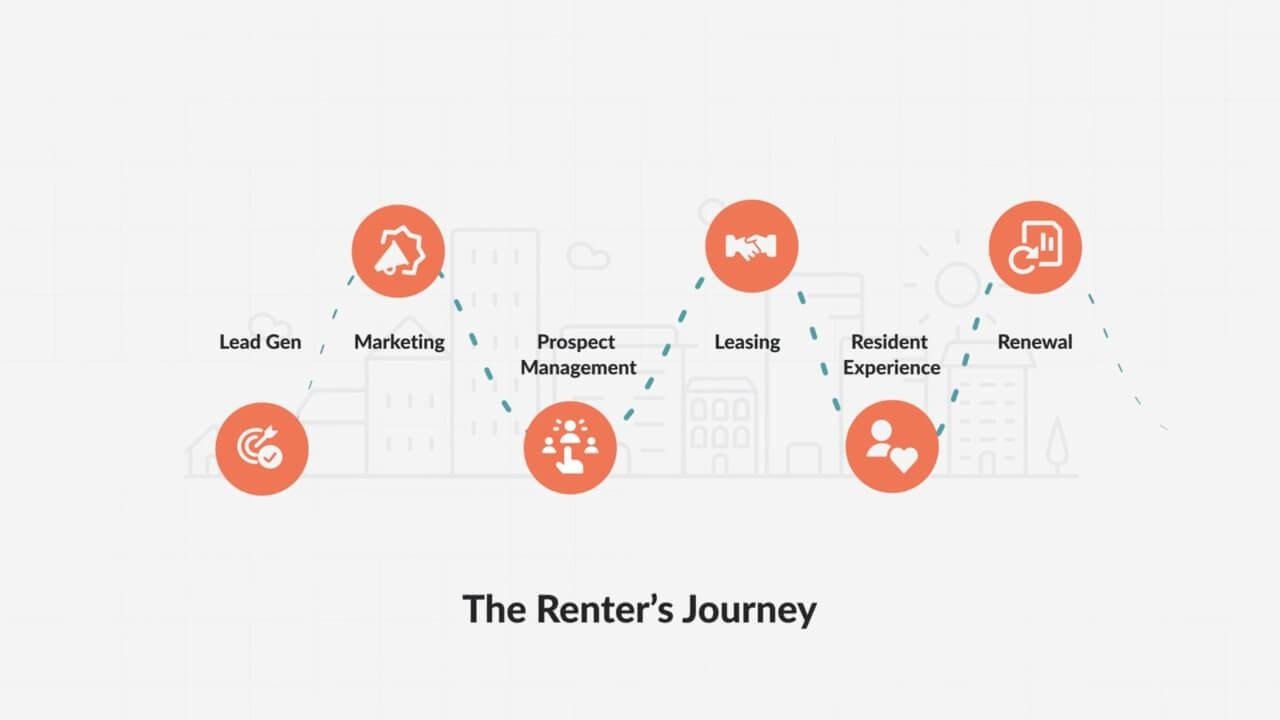
In practice, this strategy follows a structured flow that mirrors the resident journey. Each stage is supported by relevant perks that solve real needs at the right time, ensuring that value is always visible and meaningful.
At the move-in stage, the focus is on reducing friction and creating a strong first impression. Residents benefit from support that makes settling in easier, whether through savings on essential services or offers that simplify the transition into their new home. This early value sets a positive tone and builds trust.
As residents move into the mid-tenancy phase, the strategy shifts toward consistency. This is where ongoing perks play a critical role in maintaining engagement. Lifestyle benefits, everyday savings, and convenience-based offers keep the experience dynamic. Instead of interactions being limited to operational needs, residents continue to receive value that enhances their daily lives.
Approaching renewal, the strategy becomes more targeted. At this stage, the goal is to reinforce the value residents have already experienced. Personalized perks and timely rewards help strengthen the connection, making the decision to stay feel like a natural continuation rather than a new evaluation. This is where programs designed to increase retention become especially impactful, as they align perks with key decision moments.
What makes this strategy effective is its ability to stay consistent without becoming repetitive. Residents experience a steady flow of benefits that evolve with their needs, rather than one-time incentives that quickly lose relevance. This creates a seamless journey where satisfaction builds gradually over time.
For property managers, implementing this approach requires the right infrastructure. Platforms that enable curated perks delivery, automation, and personalization make it possible to scale this strategy without adding complexity. Instead of managing multiple disconnected initiatives, everything works as part of a unified system.
In residential real estate, a structured perks strategy is no longer optional. It is a practical way to deliver continuous value, improve resident satisfaction, and drive long-term retention outcomes.
Why should property managers invest in perks for full renter life cycle now?
Resident expectations have changed faster than most property strategies. Today, residents expect more than a well-maintained unit—they expect ongoing value that improves their daily living experience. This shift is exactly why perks for full renter life cycle are becoming a priority for forward-thinking property managers.
The competitive landscape in residential real estate is also intensifying. New developments, flexible leasing options, and rising digital expectations mean residents have more choices than ever. In this environment, relying only on pricing or location is no longer enough to stand out.
Perks offer a practical way to differentiate without increasing operational burden. Instead of competing on discounts alone, property managers can provide continuous value that residents experience throughout their stay. This creates a stronger perception of overall benefit, which directly impacts satisfaction and retention.
Another key reason to invest now is the cost of churn. Losing a resident is expensive—not just in terms of vacancy, but also marketing, onboarding, and operational effort required to fill that unit again. When perks are embedded across the renter journey, they help reduce churn by strengthening the relationship early and maintaining it over time.
There is also a growing shift toward digital-first engagement. Residents prefer seamless, integrated experiences that align with how they manage other aspects of their lives. By combining perks with digital solutions, property managers can meet these expectations while improving efficiency. This is where solutions designed to raise customer LTV become valuable, as they connect engagement with long-term revenue outcomes.
Importantly, perks are scalable. With the right platform, property managers can deliver consistent benefits across multiple properties without increasing manual effort. This makes it possible to maintain a high-quality resident experience even as portfolios grow.
In residential real estate, timing matters. Investing in perks today allows property managers to stay ahead of changing expectations rather than reacting to them later. It is a strategic move that not only improves resident satisfaction but also builds a stronger, more resilient retention model for the future.
How can property managers implement perks for full renter life cycle effectively?
Implementing perks for full renter life cycle does not require a complete operational overhaul. The most effective strategies are built on simple, structured steps that align perks with the resident journey while keeping execution seamless for property teams.
The first step is to map the renter journey clearly. Property managers need to identify key touchpoints—from move-in to mid-tenancy and renewal—where perks can add meaningful value. This ensures that benefits are not random but delivered at moments where residents need them the most.
The next step is choosing the right platform to manage and scale perks. A centralized solution helps streamline delivery, track engagement, and ensure consistency across properties. With a platform like Paylode’s platform, property managers can integrate perks into existing workflows without adding complexity, making it easier to maintain a high-quality resident experience.
Personalization is another important factor. Not all residents value the same benefits, so offering a mix of financial, lifestyle, and convenience-based perks allows property managers to cater to different preferences. When residents feel that perks are relevant to their needs, engagement naturally increases.
Automation also plays a key role in effective implementation. Instead of manually managing rewards, property managers can use tools like Boost to trigger perks based on specific actions—such as move-in completion, digital adoption, or renewal milestones. This ensures timely delivery while reducing manual effort.
Finally, measuring performance is essential. Tracking how residents interact with perks helps refine the strategy over time. Insights into engagement, usage, and retention outcomes allow property managers to continuously improve and maximize impact.
When implemented correctly, perks become a seamless part of the resident experience rather than an additional task. They support both operational efficiency and resident satisfaction, creating a balanced approach that delivers long-term value.
How can perks for full renter life cycle transform resident satisfaction from move-in to renewal?
Resident satisfaction is no longer shaped by a single interaction—it is built through a series of consistent, positive experiences. This is why perks for full renter life cycle have become a powerful strategy for property managers looking to improve both engagement and retention.
From the moment a resident moves in, perks help reduce friction and create a strong first impression. As the tenancy progresses, they maintain engagement by delivering ongoing value that enhances everyday living. By the time renewal approaches, residents are not just evaluating rent—they are considering the complete experience they have received.
This continuous value shifts the relationship between residents and property managers. Instead of being transactional, it becomes experience-driven. Residents feel supported, recognized, and connected, which directly influences their decision to stay longer and engage more actively.
For property managers, this approach delivers measurable outcomes. Higher satisfaction leads to stronger retention, reduced churn, and improved long-term revenue. More importantly, it creates a competitive advantage in a market where resident expectations continue to rise.
The key is consistency. When perks are thoughtfully integrated across the entire renter journey, they create a seamless experience that residents genuinely value. This is what turns short-term tenants into long-term residents.
If you are looking to elevate your resident experience and drive better retention outcomes, now is the time to take action. Explore how Paylode’s perks solution can help you deliver a complete perks strategy, or discover how the platform enables seamless implementation across your portfolio. You can also review flexible options through plans or get started with a personalized walkthrough by booking a demo.
By investing in perks today, property managers can build a stronger, more engaging resident journey—one that delivers satisfaction from move-in all the way to renewal.
FAQs: How do perks for full renter life cycle improve resident satisfaction?
What are perks for full renter life cycle in residential real estate?
Perks for full renter life cycle are ongoing benefits provided to residents from move-in through renewal. These perks are designed to improve convenience, reduce costs, and enhance everyday living, helping property managers deliver consistent value across the entire resident journey.
How do perks improve resident satisfaction over time?
Perks create repeated positive experiences rather than one-time incentives. When residents receive continuous value—such as savings, lifestyle benefits, and convenience services—they feel more supported and engaged, which leads to higher satisfaction throughout their tenancy.
Do perks really impact renewal decisions?
Yes, perks influence how residents evaluate their overall experience. When value is consistently delivered, residents are less likely to focus only on rent and more likely to consider the full experience, which increases the chances of renewal.
What types of perks work best for property managers?
The most effective perks combine financial savings, lifestyle benefits, and convenience services. This mix ensures that different resident needs are addressed, making the experience more relevant and engaging.
How can property managers measure the success of a perks program?
Success can be measured through engagement levels, resident satisfaction scores, and renewal rates. Tracking how residents interact with perks helps property managers refine their strategy and improve long-term outcomes.
Is it difficult to implement perks across the renter life cycle?
With the right platform, implementation is straightforward. Property managers can automate delivery, personalize offers, and integrate perks into key touchpoints without adding operational complexity.