Property Management Systems (PMS) have long been the backbone of real estate operations. They manage leases, rent collection, maintenance requests, and tenant communication.
But today’s tenants expect more than just efficiency - they expect experience.
From seamless digital interactions to personalized perks, modern residents want to feel valued, not just managed. This is where reward automation for PMS comes into play.
By embedding rewards directly into your PMS, real estate companies can transform everyday tenant interactions into loyalty-building moments. The result? Higher satisfaction, better retention, and stronger long-term revenue.
What is reward automation for PMS in real estate?
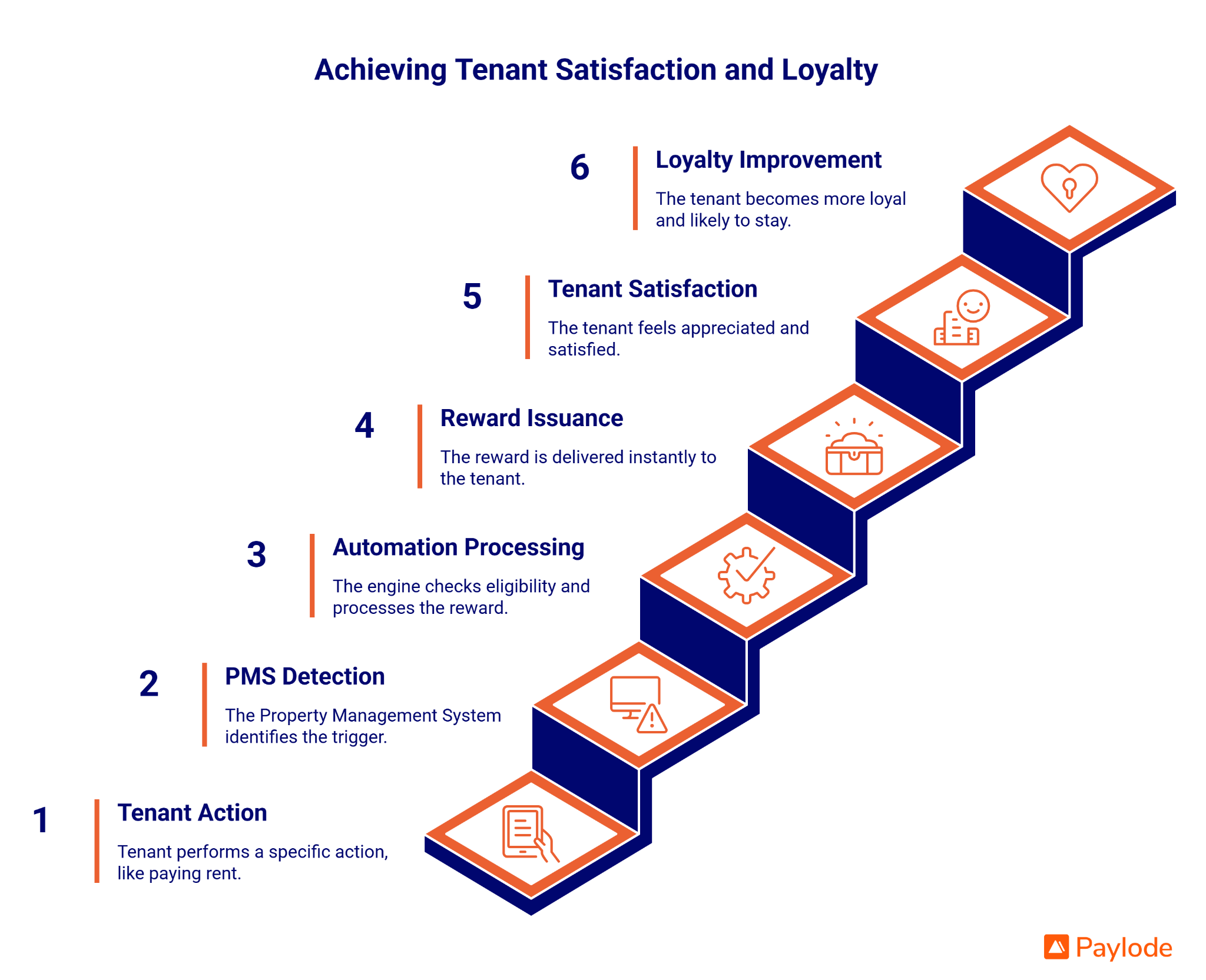
Reward automation for PMS is the process of automatically delivering incentives to tenants based on their behavior within your property management system.
Instead of manually managing loyalty programs or offering occasional discounts, automation ensures rewards are consistent, timely, and personalized.
Common tenant actions that trigger rewards:
- Paying rent on time
- Signing or renewing leases
- Referring new tenants
- Opting for autopay or paperless billing
- Engaging with community features
Types of rewards offered:
- Digital gift cards
- Subscription perks (streaming, wellness, food delivery)
- Rent credits or discounts
- Exclusive resident benefits
This transforms your PMS from an operational tool into a tenant engagement engine.
Why tenant loyalty matters more than ever
The real estate market is becoming increasingly competitive. Tenants have more choices, and switching between properties is easier than ever.
Retention is now just as important as acquisition - if not more.
Benefits of strong tenant loyalty:
- Reduced vacancy rates
- Lower acquisition costs
- Higher lifetime value (LTV)
- Improved community engagement
- Stronger brand reputation
A loyal tenant is more likely to renew, refer others, and engage positively with your property.
The shift: from property management to experience management
Traditional PMS platforms were built to handle operations.
Modern PMS platforms are evolving to deliver experiences.
Traditional vs modern PMS in real estate
This shift is critical for property managers looking to differentiate in a crowded market.
How reward automation improves tenant satisfaction
1. Instant recognition
Tenants feel valued when their actions are acknowledged immediately.
For example, a tenant who pays rent on time receives a reward instantly. This creates a positive reinforcement loop.
2. Personalized experiences
Automation allows you to tailor rewards based on:
- Tenant preferences
- Payment behavior
- Lease duration
- Engagement history
This ensures every tenant feels uniquely valued.
3. Reduced friction
No manual processes. No waiting. No confusion.
Rewards are delivered seamlessly, improving overall experience.
4. Stronger emotional connection
Consistent rewards build goodwill and trust, making tenants more likely to stay longer.
Key use cases in real estate
1. On-time rent payments
Timely rent collection is one of the biggest operational priorities for property managers. Late payments not only affect cash flow but also increase administrative workload due to follow-ups and penalties.
Reward automation for PMS helps solve this by positively reinforcing good payment behavior. Instead of penalizing late payments alone, you can incentivize tenants to pay on time by offering small but meaningful rewards.
For example, tenants who consistently pay rent before the due date can receive:
- Cashback or wallet credits
- Discount vouchers
- Access to exclusive perks
This approach shifts the mindset from obligation to motivation. Over time, tenants begin to associate timely payments with benefits, leading to improved consistency.
Additionally, pairing rewards with autopay adoption can further streamline operations. Tenants who enable automatic payments can be rewarded instantly, reducing both late payments and manual effort.
2. Lease renewals
Vacancies are costly. Every unoccupied unit represents lost revenue, marketing expenses, and operational downtime.
Reward automation can play a critical role in encouraging lease renewals by making tenants feel valued and appreciated. Instead of waiting until the last moment, property managers can proactively incentivize renewals.
For instance, tenants who renew early or commit to longer lease terms can receive:
- Premium subscription perks
- One-time discounts or rent credits
- Access to exclusive community benefits
This not only improves occupancy rates but also creates a smoother renewal process.
More importantly, it builds emotional loyalty. Tenants are more likely to stay when they feel recognized and rewarded for their commitment.
3. Resident referrals
Referrals are one of the most cost-effective ways to acquire new tenants. However, without proper incentives, most residents won’t actively participate in referral programs.
Reward automation solves this by making referrals simple, trackable, and rewarding. When a tenant refers a friend or family member who signs a lease, both parties can receive benefits.
Examples of referral rewards include:
- Gift cards or cashback
- Rent discounts
- Lifestyle perks (food, entertainment, wellness)
This creates a win-win situation:
- Property managers reduce acquisition costs
- New tenants join with built-in trust
- Existing tenants feel valued and engaged
Over time, this helps build a stronger, more connected community within the property.
4. Paperless adoption
Switching to digital processes is a priority for modern property management. Paperless billing, digital agreements, and online communication improve efficiency and reduce costs.
However, tenants may resist change unless there’s a clear benefit.
Reward automation helps drive adoption by incentivizing tenants to go digital. For example, tenants who opt for paperless billing or digital communication can receive:
- Instant perks or vouchers
- Loyalty points
- Access to exclusive offers
This not only reduces operational overhead but also enhances the tenant experience by making interactions faster and more convenient.
Over time, a fully digital ecosystem allows property managers to scale efficiently while maintaining high service quality.
5. Premium resident perks
Today’s tenants expect more than just a place to live - they want a lifestyle. Offering premium perks is a powerful way to differentiate your property and enhance tenant satisfaction.
With reward automation, these perks can be delivered continuously and seamlessly. Instead of one-time offers, tenants can enjoy ongoing benefits that add real value to their daily lives.
Examples of premium perks:
- Food delivery discounts
- Fitness and wellness subscriptions
- OTT and entertainment memberships
- Travel and shopping offers
These perks create a sense of exclusivity and belonging. Tenants feel like they are part of a premium community rather than just renting a space.
Additionally, lifestyle rewards have a strong emotional impact. They go beyond financial incentives and contribute to overall happiness and satisfaction.
Comparing traditional vs automated loyalty in real estate
Key features to look for in a PMS with reward automation
When choosing a solution, prioritize these capabilities:
1. Rule-based automation
Easily define triggers and rewards without technical complexity.
2. Seamless integrations
Your PMS should connect with:
- Payment systems
- CRM tools
- Communication platforms
3. Real-time reward delivery
Instant rewards create stronger engagement.
4. Analytics and reporting
Track:
- Tenant engagement
- Reward redemption rates
- Retention improvements
5. Scalability
Your system should grow with your property portfolio.
Measuring success: KPIs that matter
To evaluate performance, track these metrics:
- Tenant retention rate
- Lease renewal rate
- On-time payment percentage
- Referral conversions
- Customer lifetime value (LTV)
Challenges without reward automation
Without automation, property managers face:
- Manual workload and inefficiencies
- Inconsistent tenant engagement
- Delayed rewards
- Lower satisfaction levels
- Higher churn and vacancy rates
These challenges directly impact revenue and operational efficiency.
How to implement reward automation in your PMS
Step 1: Identify key tenant behaviors
Focus on actions that drive retention and revenue:
- Rent payments
- Lease renewals
- Referrals
Step 2: Define reward strategies
Align rewards with tenant expectations.
Example:
- On-time rent → cashback or perk
- Renewal → premium benefit
Step 3: Integrate with your PMS
Ensure smooth integration with existing systems.
Step 4: Launch and monitor
Start with a pilot program and gather feedback.
Step 5: Optimize continuously
Use data to refine and improve your strategy.
Why Paylode is built for real estate loyalty
Paylode enables real estate companies to embed rewards directly into their PMS and tenant journeys.
What makes Paylode powerful:
- Automated reward distribution
- Wide range of tenant perks
- Easy integration with PMS platforms
- Scalable across multiple properties
Best practices for maximizing tenant engagement
Keep rewards simple
Make it easy for tenants to understand and redeem benefits.
Focus on relevance
Personalized rewards drive higher engagement.
Communicate clearly
Let tenants know what they’re earning and why.
Continuously improve
Use insights to refine your reward strategy.
Future trends in real estate PMS and loyalty
The future of real estate PMS is centered on experience.
Key trends to watch:
- AI-driven personalization
- Predictive rewards
- Smart home integrations
- Community-based engagement platforms
Early adopters will gain a competitive advantage in tenant retention.
FAQs
1. What is reward automation for PMS in real estate?
It is a system that automatically rewards tenants based on actions like rent payments, renewals, and referrals.
2. How does it improve tenant satisfaction?
By providing instant, personalized rewards that enhance the overall living experience.
3. Is it suitable for all property types?
Yes, it works for residential, multifamily, and large property portfolios.
4. Does it reduce churn?
Yes. Reward automation encourages long-term tenant retention.
5. What rewards work best?
Digital perks, subscription benefits, and rent-related incentives perform well.
Conclusion: turn your PMS into a tenant loyalty engine
Real estate is no longer just about properties - it’s about people.
A powerful PMS should not only manage tenants but also engage and retain them.
By integrating reward automation for PMS, property managers can create meaningful experiences that drive satisfaction and loyalty.
This leads to:
- Higher retention
- Lower vacancies
- Increased revenue